Eco Flooring Engineered Timber
With over 15 years of experience in the flooring industry, we know that engineered timber is one of the most timeless and rewarding flooring investments for any Sydney home. Eco Flooring brings together two distinct engineered timber ranges, Swish Oak and BT Hardwood, giving homeowners access to genuine timber floors with the stability and versatility needed for Australian conditions.
Eco Flooring Engineered Timber Selection
Frequently Asked Questions
What is Eco Flooring Engineered Timber?
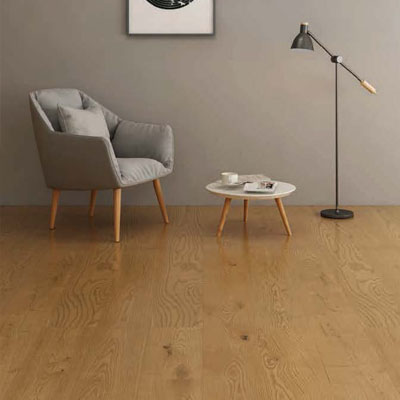
Eco Flooring Engineered Timber covers two premium ranges: Swish Oak, a French oak engineered flooring collection, and BT Hardwood, an engineered bamboo range. Both feature a genuine timber surface layer bonded to a stable engineered core, giving you the authentic look and feel of natural wood with improved resistance to the moisture and temperature fluctuations common in Sydney homes. The result is a floor that is both beautiful and practical across a wide range of installation environments.
What are the two ranges and how do they differ?
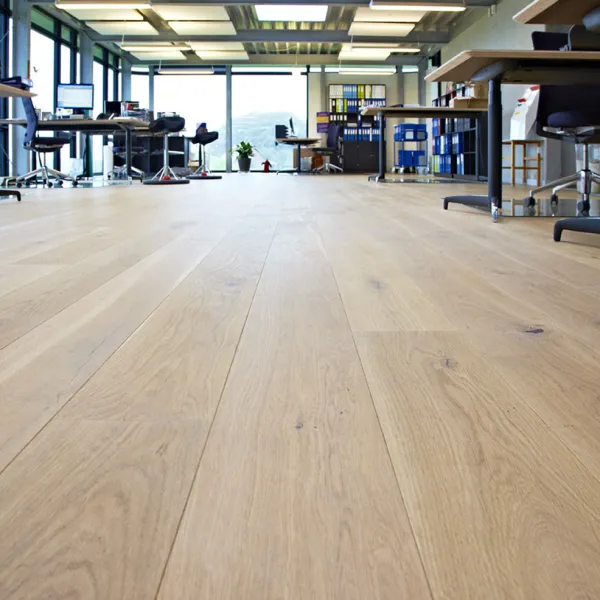
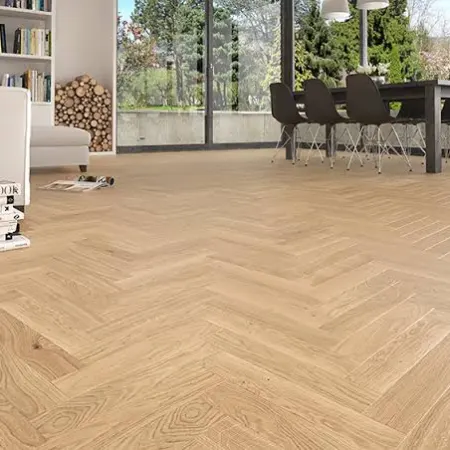
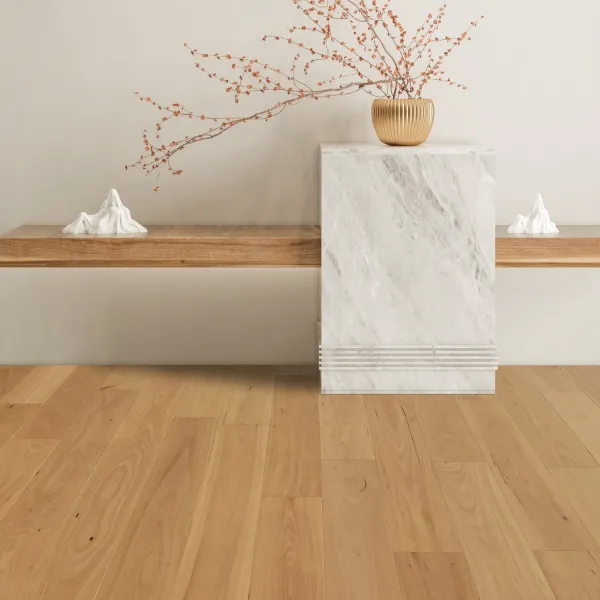
Swish Oak is a beautifully crafted French oak engineered flooring range. French oak is prized for its high tannin content, which allows it to age gracefully and develop a rich, natural patina over time. The Swish Oak collection is available in several formats including wideboard planks, herringbone, handcrafted, and contemporary finishes, with a signature palette of tones and natural grain characteristics designed to suit both classic and modern interiors.
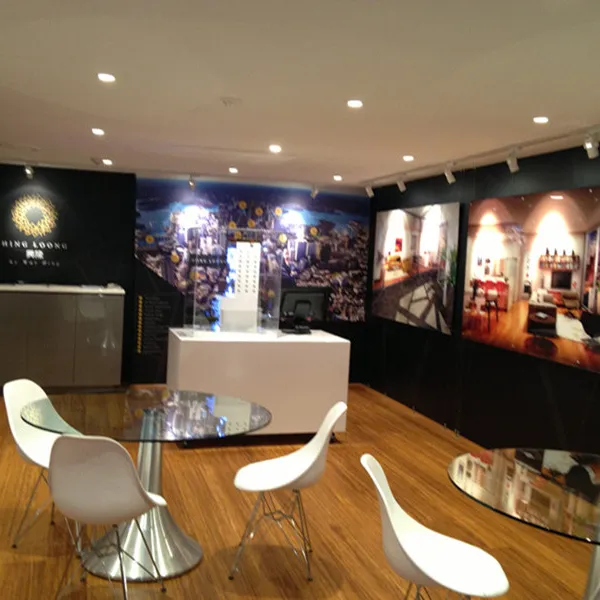
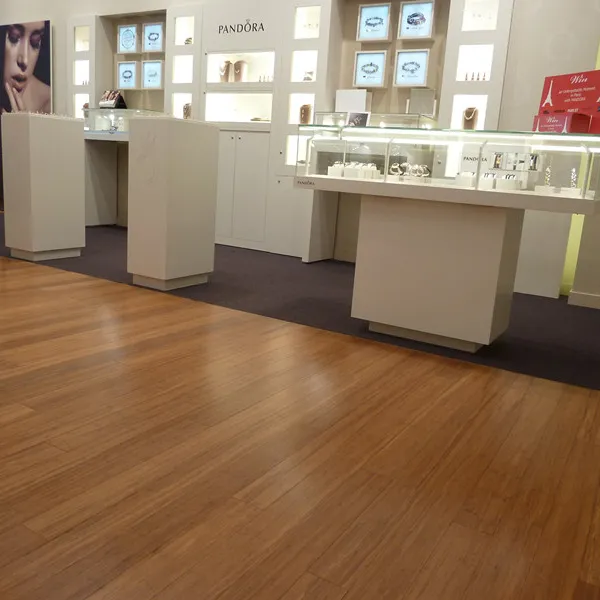
BT Hardwood is an engineered bamboo range that offers exceptional hardness and durability, exceeding the hardness rating of many traditional timber species. It is available in a range of tones from Scandinavian blonde and earthy browns through to white, grey, and espresso finishes. Bamboo is also one of the most sustainable flooring materials available, reaching maturity in 3 to 5 years compared to 20 to 120 years for conventional hardwoods.
Why choose engineered timber flooring for your home?
- Genuine Timber Surface: Both ranges feature a real timber wear layer, delivering the authentic look, grain, and warmth of natural wood underfoot.
- Greater Stability: The engineered core construction resists expansion and contraction caused by moisture and temperature changes, making it more suitable for Australian conditions than solid timber in many applications.
- Exceptional Durability: BT Hardwood bamboo is one of the hardest flooring materials available, while Swish Oak’s surface layer offers excellent resistance to everyday wear.
- Sustainable Choice: BT Hardwood bamboo is sourced from a rapidly renewable material, and Swish Oak is crafted with careful attention to responsible forestry practices.
- Timeless Appeal: Engineered timber adds warmth, character, and long-term value to any property, and its appearance only improves with age.
- Versatile Installation: Suitable for floating or glue-down installation over concrete and timber subfloors across all areas of the home.
- Wide Design Range: From wide format planks and herringbone layouts to handcrafted finishes, the combined range covers a broad spectrum of interior styles.
- Low Maintenance: Regular sweeping and occasional damp mopping is all that is needed to keep engineered timber looking its best.
What installation methods are available?
Glue-Down: Boards are adhered directly to the subfloor using a suitable flooring adhesive. This method provides excellent stability, a firm feel underfoot, and is well suited to concrete slabs.
Floating: Boards click or are glued together at the joints and lay over the subfloor without being fixed to it. This is a faster installation method and is suitable for most residential applications.
Expansion Gaps: A minimum 10mm expansion gap is required around all perimeter walls and fixed objects regardless of installation method.
Subfloor Preparation: The subfloor must be clean, dry, and level to within 3mm over 1.8 metres before laying. Concrete subfloors should be tested for moisture prior to installation.
Acclimatisation: Allow boards to acclimatise in the installation environment for at least 48 hours before laying to reduce the risk of movement after installation.